Why Communication Is the Key to a Successful Commercial Construction Project

July 8, 2026

Share this article

Strong Communication Builds Better Commercial Construction Projects

Every successful commercial construction project begins with more than quality materials and skilled craftsmanship. It starts with clear, consistent communication.


Whether you're planning a new office building, tenant improvements, a warehouse expansion, or commercial renovations, every stage of construction depends on people working together toward a common goal. From the initial planning meeting to the final walkthrough, communication keeps projects organized, reduces risks, and helps prevent costly mistakes.


An experienced commercial general contractor understands that effective communication is just as important as technical expertise. When project teams stay connected, construction moves forward efficiently and clients have greater confidence throughout the entire process.

Every Project Starts With Clear Expectations

Before construction begins, everyone involved should understand the project's goals, responsibilities, and timeline.


This starts with open discussions between the property owner, project manager, contractor, architects, engineers, and subcontractors.


Early planning meetings help establish:

  • Project objectives
  • Construction schedule
  • Budget expectations
  • Scope of work
  • Material selections
  • Milestones and deadlines
  • Roles and responsibilities


Establishing these expectations from the beginning creates a stronger foundation for the entire project.

A Project Manager Keeps Everyone Aligned

One of the most valuable members of any commercial construction team is the project manager.


The project manager serves as the central point of communication, coordinating information between clients, contractors, subcontractors, suppliers, and field crews.


Their responsibilities often include:

  • Managing construction schedules
  • Coordinating subcontractors
  • Tracking project progress
  • Monitoring budgets
  • Resolving issues quickly
  • Communicating project updates
  • Confirming deliveries and inspections


Without strong project management, even well-planned projects can experience unnecessary delays and confusion.

Communication Keeps Projects on Schedule

Construction schedules rely on dozens of moving parts working together.


Materials must arrive on time. Subcontractors must complete their work in sequence. Inspections need to be scheduled before the next phase can begin.


When communication breaks down, these activities can quickly fall out of sync.


Poor communication may result in:

  • Missed deadlines
  • Delayed material deliveries
  • Scheduling conflicts
  • Incomplete work
  • Increased labor costs
  • Project downtime


Regular communication helps identify potential issues before they become larger problems that affect the overall construction schedule.

Staying Within Budget Requires Constant Coordination

Budget management depends on accurate information and timely decision-making.


Throughout a commercial construction project, owners, contractors, and project managers must communicate regularly about project costs, material availability, schedule changes, and unexpected conditions.


When everyone stays informed, it's easier to:

  • Control project costs
  • Reduce unnecessary expenses
  • Avoid duplicate work
  • Minimize change orders
  • Keep purchasing on schedule


Consistent communication helps ensure the project remains financially aligned with the original budget.

Every Team Member Plays an Important Role

Commercial construction projects involve multiple professionals working together every day.


These may include:

  • Property owners
  • Commercial general contractors
  • Project managers
  • Architects
  • Engineers
  • Subcontractors
  • Suppliers
  • Inspectors


Each team member depends on accurate information to complete their work efficiently.


If communication is delayed or incomplete, important tasks may be overlooked, resulting in unnecessary disruptions throughout the project.

Communication Helps Prevent Costly Delays

One missed phone call or overlooked email can affect an entire construction schedule.


For example:

  • Crews may arrive before materials are delivered.
  • Equipment may be scheduled for the wrong day.
  • Inspections may need to be rescheduled.
  • Critical decisions may be delayed.
  • Work may stop while waiting for approvals.


Strong communication helps every team member stay informed so work continues moving forward without unnecessary interruptions.

Collaboration Leads to Better Construction Outcomes

The most successful commercial construction projects are built on teamwork.


When clients and construction professionals communicate openly, they can solve challenges quickly, adapt to changing conditions, and make informed decisions throughout the project.


This collaborative approach benefits every type of commercial construction project, including:

  • Ground-up commercial construction
  • Tenant improvements
  • Commercial renovations
  • Public works construction
  • ADA improvement services
  • Industrial construction


Regardless of the project's size or complexity, strong communication improves coordination and supports successful project delivery.

Choose a Commercial General Contractor Who Values Communication

Not every construction company communicates in the same way.


When selecting a commercial general contractor, look for a team that prioritizes transparency, responsiveness, and regular project updates.


A contractor with strong communication practices will:

  • Schedule regular progress meetings
  • Provide timely project updates
  • Respond quickly to questions
  • Address issues before they grow
  • Coordinate efficiently with subcontractors
  • Keep clients informed throughout construction


These practices help build trust while reducing uncertainty during every phase of the project.

Better Communication Leads to Better Results

Commercial construction projects involve significant investments, tight schedules, and multiple stakeholders. Success depends on more than construction expertise alone.


Clear communication keeps projects organized, helps teams solve problems faster, protects budgets, and keeps work progressing according to plan.


Whether you're planning ground-up commercial construction, tenant improvements, commercial renovations, public works construction, ADA improvement services, or industrial construction, partnering with a commercial general contractor who values communication can make all the difference.


When everyone stays connected, projects are completed more efficiently, challenges are addressed proactively, and the final result reflects the quality and professionalism every client expects.

Frequently Asked Questions

  • 1. Why is communication important in commercial construction?

    Communication keeps projects organized, helps prevent delays, improves coordination, and ensures everyone works toward the same project goals.


  • 2. What does a project manager do during a commercial construction project?

    A project manager coordinates schedules, subcontractors, budgets, project updates, inspections, and communication between all parties involved.


  • 3. How does communication help keep construction projects on schedule?

    Regular communication ensures materials, labor, inspections, and subcontractors are coordinated properly, reducing delays and scheduling conflicts.


  • 4. Can poor communication increase construction costs?

    Yes. Miscommunication can lead to missed work, duplicate tasks, project delays, change orders, and additional labor expenses.


  • 5. Why are regular construction meetings important?

    Meetings help review progress, address concerns, coordinate upcoming work, and keep everyone informed throughout the project.


  • 6. Who should communicate during a commercial construction project?

    Property owners, project managers, commercial general contractors, subcontractors, architects, engineers, suppliers, and inspectors all play important communication roles.


  • 7. How does communication improve project budgeting?

    Keeping everyone informed allows teams to make timely decisions, avoid unnecessary costs, and manage project resources more effectively.


  • 8. Does communication matter for every type of commercial construction project?

    Yes. Strong communication is essential for ground-up commercial construction, tenant improvements, commercial renovations, public works construction, ADA improvement services, and industrial construction projects.


  • 9. What qualities should I look for in a commercial general contractor?

    Look for experience, licensing, strong project management, transparent communication, organized scheduling, and a proven reputation for delivering successful projects.


  • 10. How can business owners help improve communication during construction?

    Attend project meetings, make timely decisions, respond to requests quickly, and maintain open communication with the project manager and construction team throughout the project.


Recent Posts

Wooden roof trusses and beams forming an unfinished ceiling structure, viewed from below.
July 8, 2026
Learn the key differences between public works construction and private construction, from funding and compliance to labor laws.
Black utility truck with “SOLO” branding parked outside a modern building.
July 8, 2026
Learn how to choose a commercial general contractor and avoid costly mistakes by looking beyond the lowest construction bid.
Abandoned concrete building frame with open skylights, exposed wooden beams, and dramatic cloudy sky above
July 8, 2026
Learn when a commercial renovation is the right investment to improve safety, property value, and long-term business success.
Aerial view of a tan building beside a road, surrounded by rows of green farmland under a cloudy sky
July 8, 2026
Learn the difference between tenant improvements and commercial renovations and which solution is right for your property.
Three workers in dark clothing handling white insulation panels inside a wooden frame house.
July 8, 2026
Learn what determines commercial construction timelines, from planning and permits to budgeting, weather, and project scope.
Aerial view of a large orange building amid orchards, with a road and dirt foreground.
July 8, 2026
Plan your commercial construction project with expert tips on budgeting, permits, contractor selection, and planning.
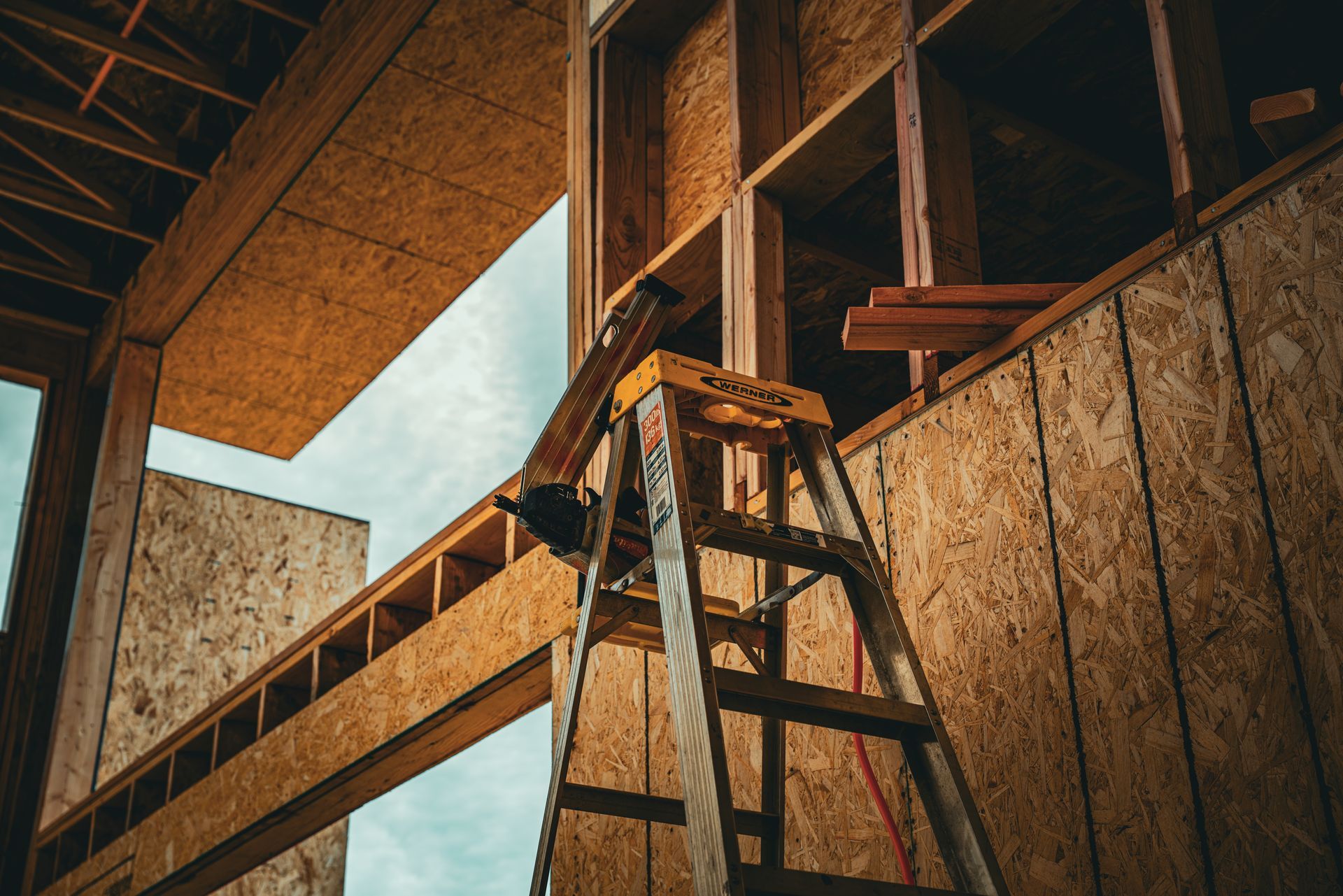
Partially framed building interior with a wooden ladder under construction
By Gladys Castillano May 20, 2026
Work with a commercial general contractor California businesses trust for organized construction management and reliable results.
Interior view of a wooden framework ceiling with skylights and a cloudy sky above
May 20, 2026
Work with a commercial construction contractor focused on organized building construction and reliable project execution.