What Every Business Owner Should Know Before Starting a Commercial Construction Project

July 8, 2026

Share this article

Is Your Commercial Project Properly Managed From Start to Finish?

Proper Planning Is the Foundation of a Successful Commercial Construction Project

Starting a commercial construction project is an exciting milestone for any business. Whether you're building a new facility, expanding your operations, renovating an existing space, or preparing for tenant improvements, the decisions you make before construction begins will have a lasting impact on your project's success.


Many business owners focus primarily on the finished product, but experienced professionals know that successful commercial construction starts long before the first shovel hits the ground. Careful planning, realistic budgeting, regulatory compliance, and selecting the right commercial general contractor are all critical factors that help projects stay on schedule and within budget.


If you're preparing for your first commercial project or looking to improve your planning process, here are the essential steps every business owner should take before construction begins.

Choose an Experienced Commercial General Contractor

One of the most important decisions you'll make is selecting the right commercial general contractor.


Your contractor will oversee the project, coordinate subcontractors, manage schedules, maintain quality standards, and ensure work complies with local building codes and safety regulations.


Before signing a contract, verify that your contractor is:

  • Properly licensed
  • Fully insured
  • Experienced with projects similar to yours
  • Familiar with local permitting requirements
  • Able to provide references from previous commercial construction projects


Whether your project involves ground-up commercial construction, commercial renovations, industrial construction, or public works construction, hiring an experienced contractor reduces risks and helps keep your investment protected.

Clearly Define the Scope of Work

One of the leading causes of delays and unexpected expenses is an unclear project scope.


Before construction begins, every aspect of the project should be documented and understood by everyone involved.


Your scope of work should clearly outline:

  • Project objectives
  • Construction timeline
  • Materials and finishes
  • Responsibilities of the contractor
  • Responsibilities of subcontractors
  • Deliverables and project milestones
  • Inspection and approval requirements


When expectations are clearly established from the beginning, it becomes much easier to avoid misunderstandings and costly change orders later in the project.

Develop a Realistic Construction Budget

Every successful commercial construction project starts with a realistic financial plan.


Many business owners budget only for construction costs while overlooking additional expenses that often arise throughout the project.


A comprehensive budget should include:

  • Construction labor
  • Building materials
  • Engineering and design services
  • Permit fees
  • Utility connections
  • Site preparation
  • Equipment costs
  • Contingency funds for unforeseen expenses


Setting aside adequate funds before work begins allows your project to continue moving forward even if unexpected costs arise.


Working closely with your commercial general contractor during the planning phase can also help establish realistic cost expectations from the outset.

Prepare for Permits and Regulatory Compliance

Commercial construction projects often require multiple permits and approvals before work can begin.


Depending on the scope of your project, you may need permits related to:

  • Building construction
  • Electrical systems
  • Plumbing
  • Mechanical systems
  • Fire safety
  • Environmental regulations
  • Accessibility requirements


Projects involving ADA improvement services require particular attention to accessibility standards to ensure compliance with current regulations.


Starting the permitting process early helps prevent delays that can impact both your construction schedule and your overall budget.

Stay Ahead Throughout the Construction Process

Successful projects don't simply happen. They require consistent communication, organization, and proactive management.


Business owners should remain actively involved throughout construction by:

  • Holding regular project meetings
  • Reviewing construction progress
  • Monitoring project schedules
  • Addressing issues quickly
  • Keeping communication open with contractors and subcontractors


A collaborative approach allows problems to be resolved early before they become larger issues that affect timelines or costs.

Consider the Type of Commercial Construction Project

Every commercial project has unique planning requirements.


Understanding your project's scope helps ensure you hire the right professionals and develop an effective construction strategy.


Common commercial construction services include:

Ground-Up Commercial Construction

Building a new commercial facility from the ground up requires comprehensive planning, site development, permitting, scheduling, and coordination from start to finish.


Tenant Improvements

Tenant improvements involve customizing commercial spaces to meet the specific operational needs of new or existing tenants while complying with lease requirements and local codes.


Commercial Renovations

Commercial renovations modernize existing facilities, improve functionality, increase efficiency, and enhance the overall customer or employee experience.


Public Works Construction

Public works construction projects often involve government agencies and require strict compliance with contract specifications, safety standards, and regulatory requirements.


ADA Improvement Services

Accessibility upgrades help commercial properties comply with ADA standards while creating safer and more inclusive environments for employees, customers, and visitors.


Industrial Construction

Industrial construction projects require specialized expertise due to the complexity of manufacturing facilities, warehouses, processing plants, and heavy equipment installations.

Why Early Planning Saves Time and Money

Many of the most expensive construction issues can be prevented through proper planning.


Investing time before construction begins allows business owners to:

  • Minimize costly project delays
  • Reduce unexpected expenses
  • Improve communication among project teams
  • Keep construction on schedule
  • Ensure regulatory compliance
  • Protect their overall investment


The more prepared you are before construction starts, the smoother the entire project is likely to be.

Partner With a Commercial General Contractor You Can Trust

Choosing the right commercial general contractor is about more than hiring someone to build your project. It's about partnering with a team that understands your goals, communicates clearly, and guides you through every phase of commercial construction.


Whether you're planning ground-up commercial construction, tenant improvements, commercial renovations, ADA improvement services, public works construction, or industrial construction, working with an experienced contractor helps reduce uncertainty and improves your chances of delivering a successful project.


With proper planning, realistic budgeting, and the right construction partner, your commercial project can move forward with confidence from concept to completion.

Frequently Asked Questions

  • 1. What should I do before starting a commercial construction project?

    Start by defining your project goals, establishing a budget, selecting a qualified commercial general contractor, and understanding the permitting requirements for your project.

  • 2. Why is hiring a licensed and insured commercial general contractor important?

    A licensed and insured contractor helps protect your investment, ensures code compliance, and reduces legal and financial risks throughout the project.


  • 3. What is included in a commercial construction budget?

    A complete budget typically includes labor, materials, permits, engineering, design, site preparation, equipment, and contingency funds for unexpected expenses.


  • 4. How important is a detailed scope of work?

    A clear scope of work establishes expectations, minimizes misunderstandings, and helps prevent costly project delays and change orders.

  • 5. When should permits be obtained for a commercial construction project?

    Permits should be secured before construction begins to avoid delays, fines, and compliance issues.

  • 6. What types of projects does a commercial general contractor manage?

    Commercial general contractors manage projects such as ground-up commercial construction, tenant improvements, commercial renovations, public works construction, ADA improvement services, and industrial construction.


  • 7. Why is project planning important in commercial construction?

    Effective planning improves scheduling, controls costs, minimizes risks, and helps ensure the project stays on track from beginning to end.


  • 8. How can business owners help keep a commercial construction project on schedule?

    Maintain regular communication with your contractor, review project progress frequently, make timely decisions, and address issues as they arise.


  • 9. What are ADA improvement services?

    ADA improvement services involve upgrading commercial properties to meet accessibility requirements established by the Americans with Disabilities Act, creating safer and more accessible spaces.


  • 10. How do I choose the right commercial general contractor?

    Look for a contractor with proven commercial construction experience, proper licensing and insurance, positive client references, transparent communication, and expertise in projects similar to yours.


Recent Posts

Three workers inspecting a large rolled-up sheet inside a wooden building under construction
July 8, 2026
Learn how clear communication keeps commercial construction projects on schedule, within budget, and running efficiently.
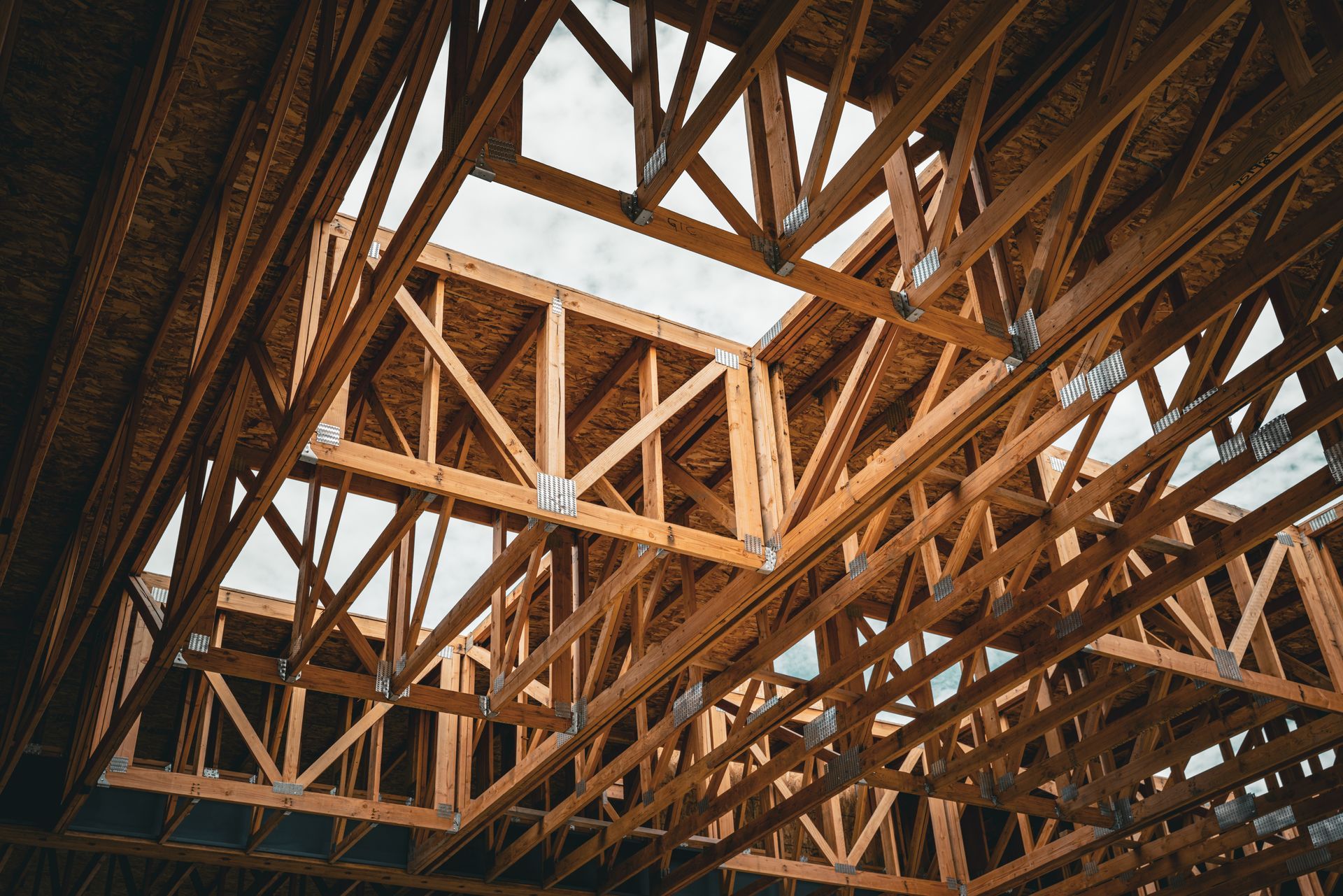
Wooden roof trusses and beams forming an unfinished ceiling structure, viewed from below.
July 8, 2026
Learn the key differences between public works construction and private construction, from funding and compliance to labor laws.
Black utility truck with “SOLO” branding parked outside a modern building.
July 8, 2026
Learn how to choose a commercial general contractor and avoid costly mistakes by looking beyond the lowest construction bid.
Abandoned concrete building frame with open skylights, exposed wooden beams, and dramatic cloudy sky above
July 8, 2026
Learn when a commercial renovation is the right investment to improve safety, property value, and long-term business success.
Aerial view of a tan building beside a road, surrounded by rows of green farmland under a cloudy sky
July 8, 2026
Learn the difference between tenant improvements and commercial renovations and which solution is right for your property.
Three workers in dark clothing handling white insulation panels inside a wooden frame house.
July 8, 2026
Learn what determines commercial construction timelines, from planning and permits to budgeting, weather, and project scope.
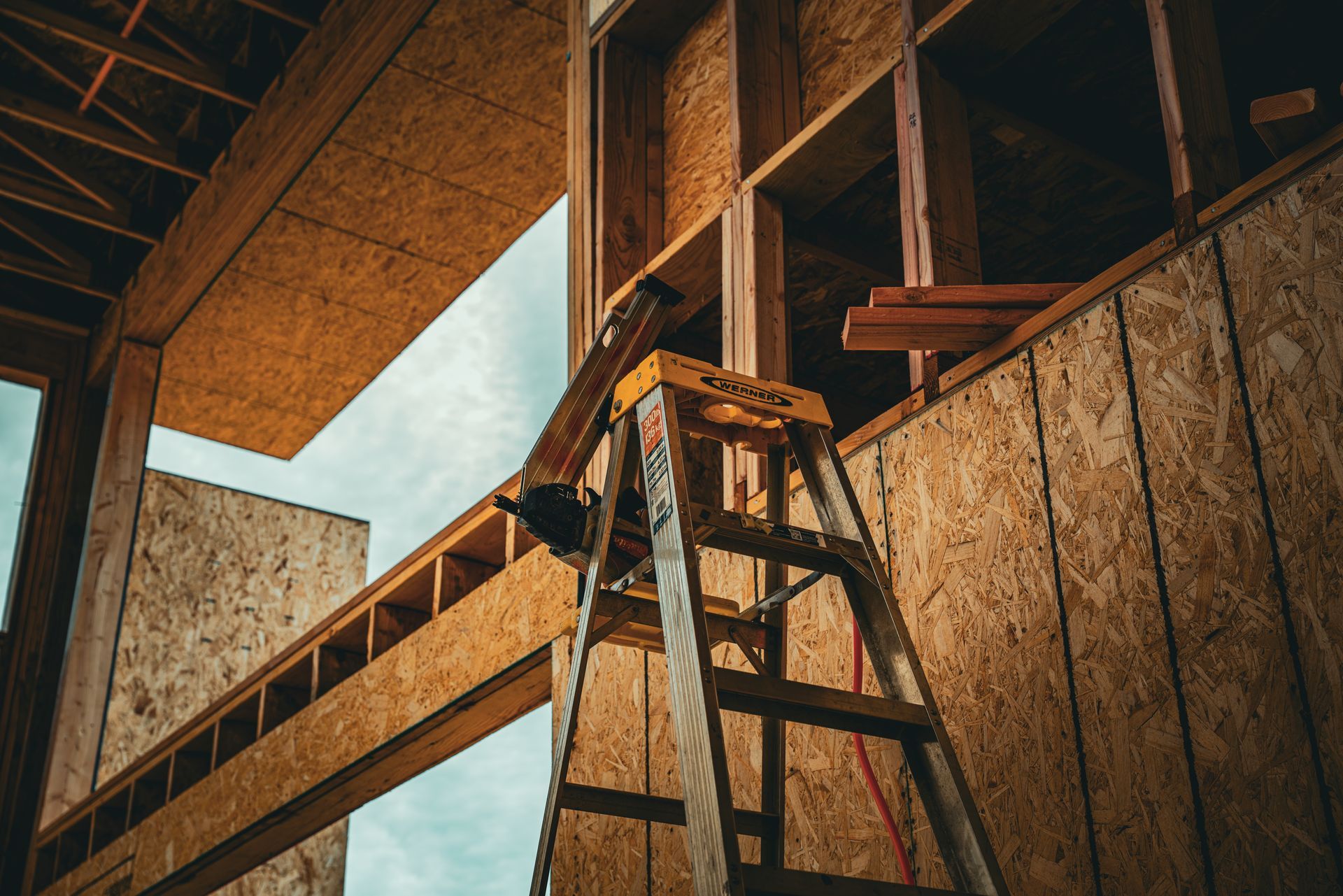
Partially framed building interior with a wooden ladder under construction
By Gladys Castillano May 20, 2026
Work with a commercial general contractor California businesses trust for organized construction management and reliable results.
Interior view of a wooden framework ceiling with skylights and a cloudy sky above
May 20, 2026
Work with a commercial construction contractor focused on organized building construction and reliable project execution.