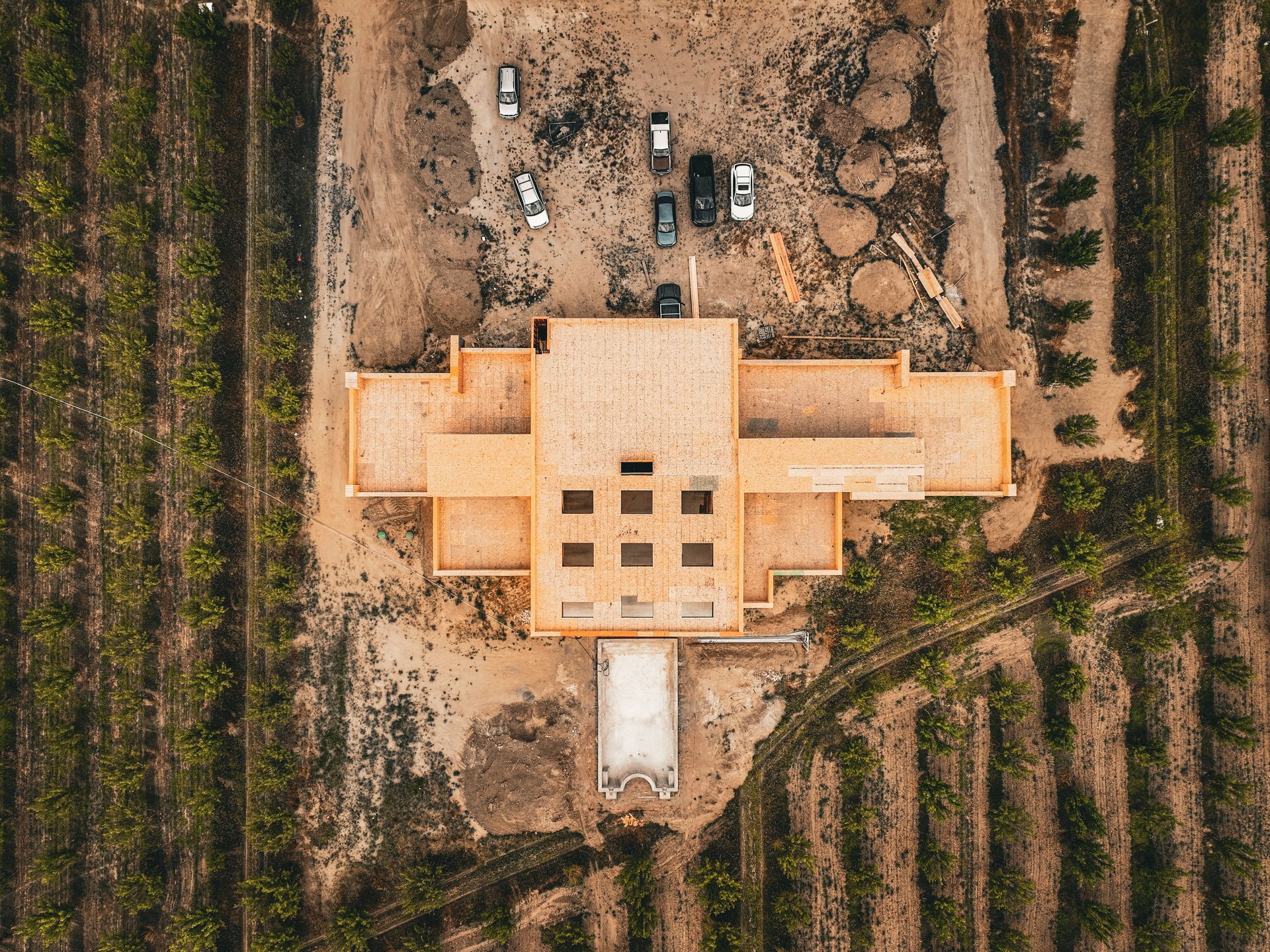
How Long Does Commercial Construction Take?
The Timeline Depends on More Than Just Construction
One of the most common questions business owners ask before starting a commercial construction project is, "How long will it take?"
While it's a reasonable question, there isn't a one-size-fits-all answer. Every project is different, and several factors influence how long construction will take from start to finish.
An experienced commercial general contractor evaluates your project plans, scheduling requirements, permitting process, budget, and overall scope before providing an accurate timeline. Whether you're planning ground-up commercial construction, tenant improvements, commercial renovations, public works construction, ADA improvement services, or industrial construction, proper planning is the key to setting realistic expectations.
Construction Plans Come First
Before a timeline can be established, detailed construction plans are essential.
The plans provide your contractor with the information needed to understand the project's requirements, identify potential challenges, and create a realistic schedule.
These plans typically define:
- Building size
- Project scope
- Structural requirements
- Mechanical, electrical, and plumbing systems
- Site conditions
- Material specifications
Without finalized plans, any estimated timeline would simply be a guess.
Project Size Plays a Major Role
Not all commercial construction projects require the same amount of time.
For example, a simple tenant improvement may take significantly less time than a multi-story office building or a large industrial construction facility.
The overall schedule depends on several factors, including:
- Square footage
- Building complexity
- Number of construction phases
- Specialized systems
- Coordination between trades
- Inspection requirements
The larger and more complex the project, the more planning and coordination it requires.
Permits Can Affect the Schedule
Before construction begins, permits must often be reviewed and approved by local agencies.
The permitting process varies depending on:
- Project location
- Type of construction
- Local regulations
- Building code requirements
- Environmental reviews
Projects involving ADA improvement services may require additional reviews to ensure accessibility standards are fully met.
Beginning the permitting process early helps minimize unnecessary delays once construction is ready to begin.
Weather Is a Factor You Can't Control
Even the best construction schedule must account for weather conditions.
Rain, high winds, and extreme temperatures can temporarily affect activities such as:
- Site preparation
- Concrete work
- Exterior framing
- Roofing
- Material deliveries
Experienced commercial general contractors build flexibility into the project schedule to reduce the impact of weather-related delays whenever possible.
Scheduling Keeps the Project Moving
Commercial construction involves many moving parts.
Contractors coordinate multiple teams, subcontractors, suppliers, inspectors, and project milestones throughout the build.
A well-developed schedule helps organize:
- Material deliveries
- Labor coordination
- Equipment availability
- Inspection dates
- Construction milestones
Strong scheduling keeps work progressing efficiently while reducing downtime between phases.
Budgeting Supports a Smooth Construction Process
Your budget influences more than project costs. It also impacts your timeline.
Having funding available before construction begins allows materials to be ordered on time, subcontractors to stay scheduled, and work to continue without unnecessary interruptions.
A complete construction budget should include:
- Labor
- Materials
- Permit fees
- Equipment
- Professional services
- Contingency funds
Proper financial planning helps keep the project moving from beginning to end.
Why Planning Before Construction Matters
The most successful commercial construction projects begin with careful preparation.
When business owners invest time in planning before construction starts, they often experience:
- More accurate timelines
- Better budget control
- Fewer unexpected delays
- Faster decision-making
- Improved communication
- More efficient project management
Working with an experienced commercial general contractor early in the planning process creates a stronger foundation for a successful build.
Set Realistic Expectations From Day One
Every commercial construction project follows its own timeline because every project has different goals, requirements, and challenges.
Rather than estimating a completion date without enough information, a professional commercial general contractor reviews your plans, evaluates the project scope, considers permitting requirements, analyzes the budget, and develops a schedule based on real project data.
Whether your project involves ground-up commercial construction, tenant improvements, commercial renovations, public works construction, ADA improvement services, or industrial construction, taking the time to plan properly helps keep the project on track and reduces the risk of costly delays.
Frequently Asked Questions
1. How long does a commercial construction project usually take?
Every commercial construction project is different. The timeline depends on the project size, scope, permitting process, weather, and scheduling requirements.
2. Why can't a contractor provide a timeline before reviewing the plans?
Construction plans define the project's scope and complexity, allowing a commercial general contractor to develop an accurate schedule.
3. What factors have the biggest impact on a commercial construction timeline?
Project size, permitting, budgeting, weather, material availability, inspections, and subcontractor scheduling all affect the timeline.
4. Do permits delay commercial construction projects?
Permits can influence the schedule because approval timelines vary by city and project type. Starting early helps reduce delays.
5. How does weather affect commercial construction?
Weather can impact site preparation, exterior work, concrete placement, roofing, and material deliveries.
6. Why is budgeting important before construction begins?
A well-prepared budget ensures the project has the financial resources needed to maintain progress throughout construction.
7. Are tenant improvements completed faster than ground-up commercial construction?
In many cases, yes. Tenant improvements often have a smaller scope, while ground-up commercial construction typically involves more planning and longer construction schedules.
8. What role does a commercial general contractor play in scheduling?
A commercial general contractor coordinates subcontractors, inspections, suppliers, and construction activities to keep the project moving efficiently.
9. Can industrial construction projects take longer than standard commercial buildings?
Yes. Industrial construction often involves specialized equipment, utilities, and safety requirements that can extend the project timeline.
10. How can I help keep my commercial construction project on schedule?
Work with an experienced contractor, make timely decisions, maintain open communication, and complete planning before construction begins.